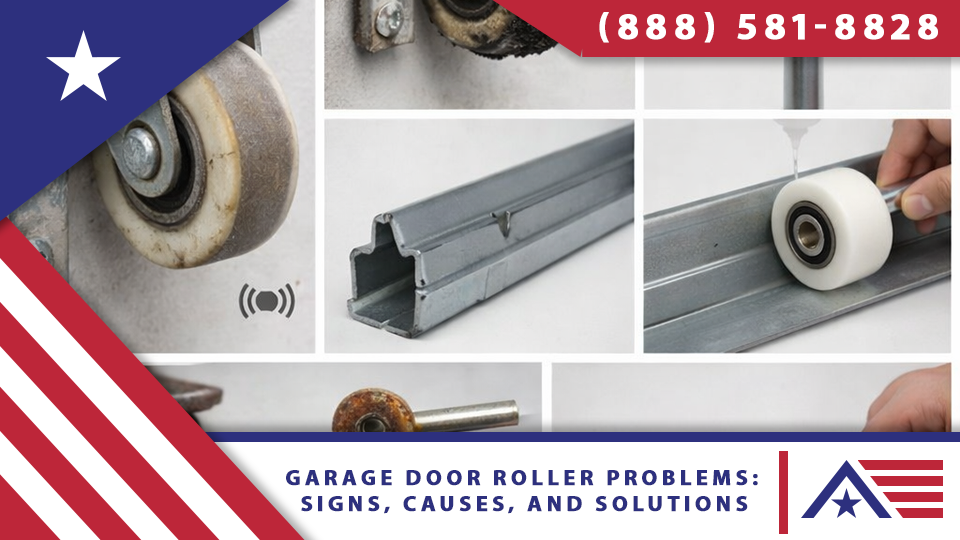
Learn how to identify garage door roller problems and understand when replacement ensures smooth, quiet operation.
Is your garage door making grinding noises, shaking during operation, or getting stuck partway? Garage door roller problems are among the most common issues affecting residential garage doors, causing noise, vibration, and eventually complete failure. When garage door roller issues develop, your door cannot travel smoothly along its tracks, creating strain on motors, cables, and other components. Worn garage door rollers create increasingly loud operation and may eventually cause your door to jump off track. Damaged garage door rollers affect more than just noise—they compromise safety and accelerate wear throughout your entire door system. Timely garage door roller replacement restores quiet, smooth operation before minor problems become major repairs. Quality garage door roller service uses premium rollers designed for years of reliable performance. Whether you need simple garage door roller repair or complete replacement, addressing roller issues protects your investment. A professional garage door roller fix ensures proper installation and alignment. If you’ve noticed signs of roller wear, scheduling garage door roller replacement near you with qualified technicians keeps your door operating safely and quietly.
Understanding Garage Door Rollers
Before exploring garage door roller problems, understanding how rollers function helps homeowners appreciate their importance.
How Garage Door Rollers Work
Rollers enable smooth door travel:
- Attach to brackets on door panel sides
- Ride inside vertical and horizontal tracks
- Support door weight during movement
- Allow door to follow curved track sections
- Reduce friction for easier operation
When rollers fail, the entire door system suffers from garage door roller issues.
Types of Garage Door Rollers
Different roller types offer varying performance:
| Roller Type | Lifespan | Noise Level | Best For |
|---|---|---|---|
| Standard steel | 5-7 years | Loud | Basic use |
| Steel with bearings | 7-10 years | Moderate | Regular use |
| Nylon | 10-15 years | Quiet | Most homes |
| Nylon with bearings | 12-20 years | Very quiet | Premium performance |
According to the International Door Association, upgrading roller type during garage door roller replacement significantly improves performance.
Signs of Garage Door Roller Problems
Recognizing garage door roller problems early prevents damage and ensures safety. Watch for these warning signs.
Garage Door Roller Problems: Excessive Noise
Loud operation indicates roller wear:
- Grinding sounds during travel
- Squealing or squeaking noises
- Rumbling or rattling sounds
- Noise increases over time
- Sound worse at certain points in travel
Noise represents the most common sign of worn garage door rollers.
Garage Door Roller Issues: Vibration and Shaking
Rough operation signals problems:
- Door shakes during opening or closing
- Visible vibration in door panels
- Rattling hardware from vibration
- Uneven movement during travel
- Jerky motion at specific points
Vibration indicates damaged garage door rollers affecting smooth travel.
Worn Garage Door Rollers: Visual Wear Signs
Inspect rollers for obvious damage:
- Flat spots on roller surface
- Cracks or chips in roller material
- Missing pieces from rollers
- Excessive wobble when spun
- Rollers not turning freely
Visual inspection reveals garage door roller issues requiring attention.
Damaged Garage Door Rollers: Operational Problems
Performance issues indicate roller failure:
- Door sticks or hesitates during travel
- Door moves unevenly side to side
- Difficulty opening or closing completely
- Increased effort to operate manually
- Opener strains during operation
These symptoms suggest garage door roller problems affecting system performance.
Common Causes of Worn Garage Door Rollers
Understanding what causes worn garage door rollers helps with prevention and maintenance decisions.
Garage Door Roller Problems from Normal Wear
Daily use gradually degrades rollers:
- Thousands of cycles per year
- Constant friction against tracks
- Weight stress on bearings
- Temperature cycling affects materials
- Average lifespan varies by roller type
Normal wear eventually creates garage door roller issues in any system.
Garage Door Roller Issues from Lack of Lubrication
Dry rollers wear faster:
- Metal-on-metal contact increases friction
- Heat buildup accelerates wear
- Bearings fail without lubrication
- Noise increases dramatically
- Lifespan reduced significantly
Regular lubrication prevents premature worn garage door rollers.
Damaged Garage Door Rollers from Debris
Contamination damages rollers:
- Dirt and dust in tracks
- Rust particles from tracks
- Debris caught in roller bearings
- Pet hair wrapped around stems
- Insects and spider webs
Debris causes damaged garage door rollers and accelerated wear.
Garage Door Roller Problems from Misalignment
Track issues stress rollers:
- Bent tracks force rollers to bind
- Improper track spacing
- Loose track mounting brackets
- Door out of balance
- Uneven weight distribution
Misalignment creates additional garage door roller problems beyond normal wear.
Why Garage Door Roller Replacement Matters
Timely garage door roller replacement protects your entire door system.
Preventing Secondary Damage
Failing rollers stress other components:
- Opener motor works harder
- Cables experience uneven loading
- Tracks bend from binding rollers
- Springs compensate for friction
- Hardware loosens from vibration
Garage door roller service prevents expensive cascading repairs.
Safety Considerations
Worn garage door rollers create hazards:
- Door may jump off track
- Sudden failure during operation
- Door could fall unexpectedly
- Binding increases spring stress
- Unpredictable door behavior
Garage door roller replacement maintains safe operation.
Energy and Efficiency
Smooth rollers reduce system strain:
- Opener uses less electricity
- Components last longer
- Quieter operation
- Faster door travel
- Better overall performance
Quality garage door roller service improves efficiency.
Garage Door Roller Repair Options
Several approaches address garage door roller problems depending on severity.
Garage Door Roller Repair: Lubrication
For rollers still in good condition:
- Clean debris from rollers and tracks
- Apply silicone-based lubricant
- Avoid grease that attracts dirt
- Lubricate every 6 months
- Extends remaining roller life
Lubrication provides simple garage door roller fix for minor issues.
Garage Door Roller Fix: Single Roller Replacement
When individual rollers fail:
- Identify specific failed rollers
- Replace only damaged units
- Match roller type and size
- Test operation after replacement
- Monitor remaining rollers
Single replacement offers cost-effective garage door roller repair.
Garage Door Roller Replacement: Complete Set
Best long-term solution:
- Replace all rollers simultaneously
- Ensures even wear going forward
- Opportunity to upgrade roller type
- Addresses all developing issues
- Most cost-effective long-term
Complete garage door roller replacement provides best results.
Choosing Replacement Rollers
Quality rollers ensure lasting garage door roller service results.
Standard Steel Rollers
Basic economy option:
- Lowest initial cost
- Shortest lifespan
- Loudest operation
- Suitable for detached garages
- Not recommended for attached garages
Nylon Rollers
Popular upgrade choice:
- Significantly quieter operation
- Longer lifespan than steel
- No lubrication required
- Ideal for attached garages
- Best value for most homeowners
Sealed Bearing Rollers
Premium performance option:
- Longest lifespan available
- Smoothest, quietest operation
- Sealed bearings resist contamination
- Minimal maintenance required
- Worth investment for frequent use
Roller selection affects garage door roller replacement longevity.
DIY vs Professional Garage Door Roller Repair
Understanding when to call professionals ensures safe, proper garage door roller fix.
DIY Garage Door Roller Fix Appropriate For:
Some tasks homeowners can handle:
- Lubrication of accessible rollers
- Visual inspection for wear
- Cleaning tracks and rollers
- Identifying problems to report
- Basic maintenance tasks
Professional Garage Door Roller Replacement Needed For:
Call professionals when:
- Rollers attached near cables or springs
- Door is off track or binding
- Multiple rollers need replacement
- Tracks require adjustment
- Safety concerns exist
Professional garage door roller service ensures safe, proper work.
Risks of Improper Repair
DIY attempts can cause problems:
- Springs under dangerous tension
- Door can fall causing injury
- Improper installation causes premature failure
- Tracks can be damaged
- Safety mechanisms compromised
When uncertain, professional garage door roller replacement near you provides safer results.
Finding Garage Door Roller Replacement Near You
When garage door roller problems require professional attention, choosing qualified service matters.
What to Expect from Professional Service
When scheduling garage door roller replacement near you, expect:
- Complete inspection of all rollers
- Assessment of tracks and alignment
- Recommendation for roller type
- Written estimate before work
- Quality installation
- Testing of door operation
- Cleanup of work area
Finding Quality Garage Door Roller Replacement Near You
Look for these qualifications:
- Licensed and insured company
- Experience with your door type
- Quality roller brands available
- Positive customer reviews
- Written warranties on work
- Fair transparent pricing
Garage Door Roller Service Cost Considerations
Garage door roller replacement costs vary:
| Service | Typical Cost Range |
|---|---|
| Lubrication service | $50 – $100 |
| Single roller replacement | $15 – $30 per roller |
| Full set (standard steel) | $100 – $150 |
| Full set (nylon) | $150 – $250 |
| Full set (sealed bearing) | $200 – $350 |
Preventing Future Garage Door Roller Problems
After garage door roller repair, maintenance extends roller life.
Regular Lubrication
Keep rollers moving smoothly:
- Apply silicone lubricant every 6 months
- Avoid petroleum-based products
- Wipe excess to prevent dirt buildup
- Include tracks in lubrication routine
- Note any unusual sounds during process
Keep Tracks Clean
Prevent debris damage:
- Wipe tracks with clean cloth monthly
- Remove visible debris promptly
- Check for rust and address early
- Keep area around door clean
- Inspect after storms or high winds
Monitor Door Performance
Catch problems early:
- Listen for developing noises
- Notice any changes in operation
- Watch for vibration increases
- Check door balance periodically
- Schedule annual professional inspection
Balance and Alignment
Reduce roller stress:
- Keep door properly balanced
- Address track issues promptly
- Tighten loose hardware
- Replace worn weatherstripping
- Maintain overall door system
Final Thoughts on Garage Door Roller Problems
Garage door roller problems affect noise levels, smooth operation, and ultimately the safety and longevity of your entire door system. Worn garage door rollers and damaged garage door rollers create garage door roller issues that worsen over time, eventually causing secondary damage to tracks, openers, and other components.
Recognizing the signs of roller wear early allows for timely garage door roller repair or garage door roller replacement before minor issues become major expenses. A professional garage door roller fix using quality rollers restores quiet, smooth operation.
Don’t let worn rollers damage your garage door system or compromise safety. Quality garage door roller service protects your investment and ensures reliable performance. Schedule garage door roller replacement near you with qualified technicians to restore smooth, quiet operation to your garage door.
Phone: (888) 581-8828
Email: info@us-garagedoorrepair.com
Website: https://www.us-garagedoorrepair.com/